





Bitkingz Sign In Australia
You open your phone in Sydney, one hand on the coffee, the other on the screen. The lobby loads, then your browser decides to refresh at the exact second you try to enter your account. Annoying, yes. Fixable too. Start by cutting noise: close heavy apps, drop extra tabs, then try again on a stable connection.
And keep the expectation realistic. Online gambling is for adults of legal age, and access in Australia depends on what is permitted for your location and your own eligibility. If something is blocked or looks different, don’t force it. Stay within applicable rules and move on with a clear head.
If you jump between laptop and phone every few minutes, session clashes happen. You get a loop. You get kicked back to the lobby. So pick a main device for the evening and stick with it, at least until you’re done with account actions like deposits or cashouts.
Common Entry Problems On Mobile
Suppose you are on a train out of Melbourne and the signal keeps bouncing between bars. Your page reloads, a pop-up covers the account button, and you start tapping like it owes you money. Stop. Rotate the phone once, reset zoom with a quick pinch, then refresh a single time. One refresh. More than that and you create your own chaos.
Autofill is another trap. Your phone remembers an old password, drops it in, and you fail three times fast. That can trigger a short lock window. Clear the saved entry, then paste the correct password once from a manager (or from a safe note you control). Clean attempt, clean result.
Now the boring device tip that works: free storage. If your phone is packed, tabs reload more aggressively. Close video apps, clear a bit of space, then re-open the casino page and try again. You’ll feel the difference.
Desktop Sessions And Browser Conflicts
Suppose you are at home in Brisbane on a laptop and a button does nothing. That is often a browser extension, not the platform. Ad blockers and script blockers can hide pop-ups, but they can also hide the sign-in panel. Disable the aggressive extension for the session and refresh once.
If you use multiple browsers, pick one and keep it. Switching between Chrome, Safari, and a private window in the same hour can trigger extra verification prompts (the system sees you as “new” each time). Stay consistent.
Also watch saved passwords on desktop. A password manager helps, but only if it stores the current entry. If it keeps inserting the wrong one, update it once, then test entry and exit. Quick check, less drama later.
Security Steps That Make Everything Smoother
You can ignore security until the day you need it, or you can set it up once and forget about it. Suppose you get a device alert late at night while you’re in Perth. If you already enabled extra confirmation steps, you can lock things down fast. If you didn’t, you’re scrambling.
Start with a strong, unique password. Not a clever one, a long one. A phrase you can store safely. Then enable any second-step confirmation if it is offered. Yes, it adds a tap. It also blocks the classic “someone guessed my password” headache.
And turn on notifications for account changes if you can. New device, email update, payment method change - you want a ping. You can’t respond to what you don’t see.
One more habit: sign out on shared devices. Always. If you play at a mate’s place in Sydney and you leave your session open, you’re handing someone a problem they didn’t ask for (and you’re handing yourself stress later).
Cashier Prep And Verification Timing
You don’t feel the cashier until it matters. You win, you want to withdraw, and suddenly every small detail becomes important. Suppose you are in Adelaide on a Friday evening, you request a payout, and then you remember you changed your phone number yesterday. That is the kind of timing that invites extra review.
So set the cashier up before you need it. Choose one payment route you plan to keep using for a while. Keep your profile details consistent. Verify early, in daylight, with clean photos. Doing it early is the difference between “done in minutes” and “why is this still pending”.
Think in two stages: internal review, then provider transfer. The review can be quick or slow depending on your profile stability. The transfer depends on the route type and the provider’s processing windows. Weekend timing can stretch the second stage even when the first stage is fine.
Here is a practical map of what players tend to see. It is a guide to expectations, not a promise.
Type of Method | Deposit Speed | Review Stage | Transfer Window | Best Use |
|---|---|---|---|---|
Instant bank option | Seconds to minutes | Minutes to hours | Same day to 1-2 days | Test cycles and routine play |
Card payouts | Immediate | Hours to 1 day | 1-3 days | Familiar setup |
E-wallet transfers | Immediate | Minutes to hours | Same day to 24h | Budget separation |
Bank transfer | 1-3 days | Hours to 2 days | 1-3 days | Planned bankroll moves |
Suppose the status sits in review longer than you expected. First check notifications for document prompts. Then check whether a bonus condition is active and limiting what is eligible. If both look clean, contact support with a timestamp, route type, and a screenshot of the status text.
The Small Withdrawal Test That Saves Your Nerves
Say you are new and you want certainty. Make a modest withdrawal request first, not the full balance. Screenshot the confirmation screen and note the time in AEST. Now you have a baseline for your account and your chosen method.
If that small request moves smoothly, you can scale later with less tension. If it gets rejected, try one smaller round amount once, then stop. Spamming requests creates a messy trail and it rarely speeds anything up.
Also avoid last-minute profile edits. Changing your email, adding a new card, and switching devices right before a payout is like juggling knives while walking. Do edits on a quiet day, then keep the account stable.
Bitkingz Sign In
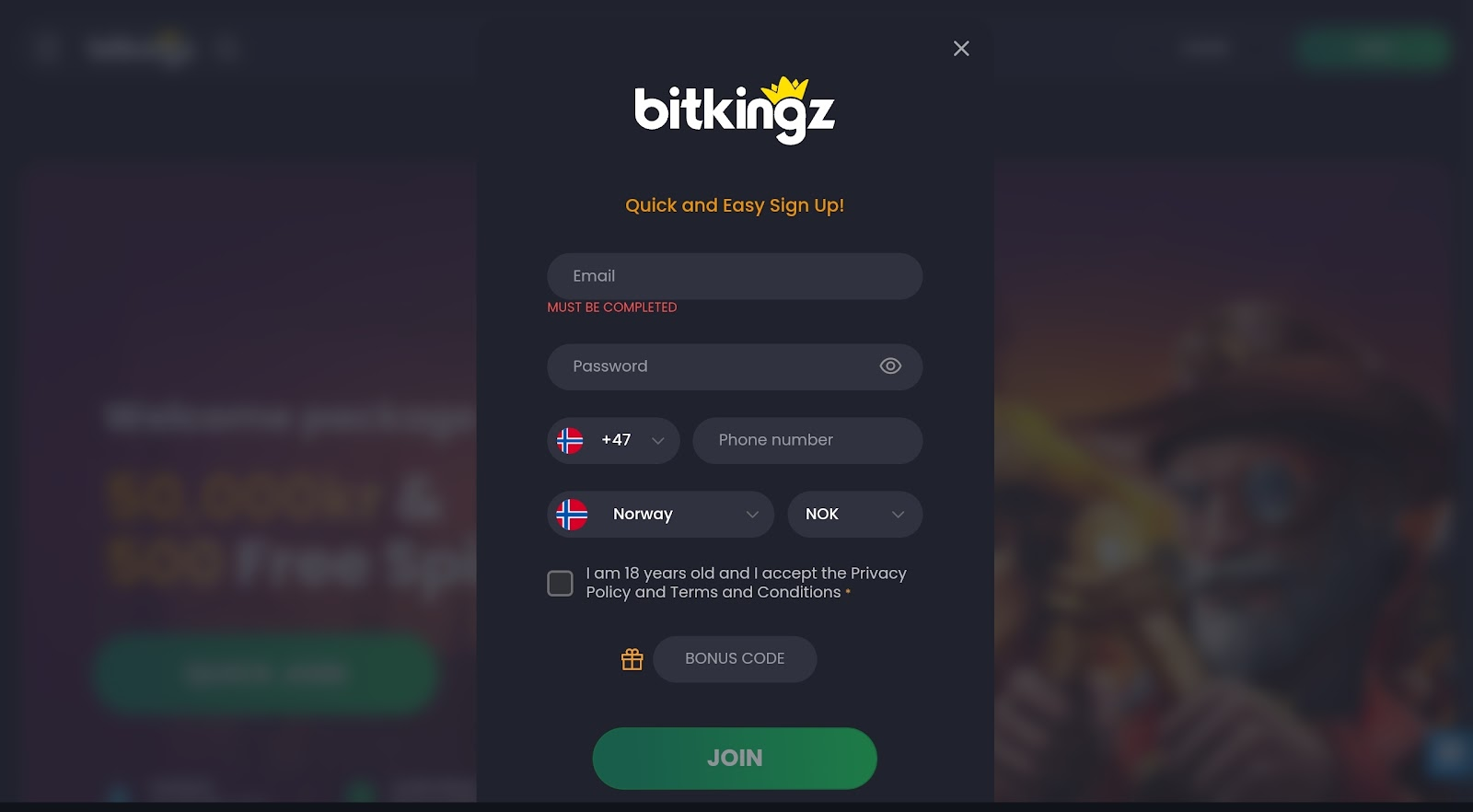
You want entry to feel boring. Boring is good. Suppose you are in Sydney and you just want to check your balance quickly before a short session. You open the lobby, tap the profile icon, enter your credentials, and you’re in. That is the goal.
If the profile icon seems to disappear on mobile, it may be tucked into a compact menu. Scroll to the top, close any pop-up, then look again. On some screens it is a small silhouette icon. On others it is a “menu” button that expands the account area.
And don’t forget the legal side: gambling should be restricted to adults who meet legal age requirements. If you are not eligible, do not attempt access.
Finding The Account Panel Fast
Suppose you can’t find the account button because your page is zoomed in. Reset zoom, rotate the screen, and scroll to the top. If a floating banner is covering the button, close it. If it won’t close, refresh once and try again. One refresh, not a loop.
On desktop, if the entry panel does not respond, disable aggressive extensions for the session and refresh. Script blockers often break account pop-ups.
Resetting Access Without Lockouts
Suppose you type the wrong password twice and your heart rate spikes. Stop at two. Use the reset flow and wait for the email or code. Then set a new passphrase you can store safely.
After you reset, do a quick test: enter your account, then sign out, then enter again. That confirms the new password is saved and you won’t get surprised later when you’re tired.
If you keep getting temporary locks, it is often autofill inserting an old password. Clear the saved entry and try one clean copy-paste attempt.
Mobile Play: Fast Sessions And Fewer Glitches
You can have a great casino, then ruin the experience with a messy phone setup. Suppose you are in Melbourne on a bus with battery saver on and ten apps running. Tabs reload. Buttons lag. You get signed out. The fix is not magic, it is maintenance.
Close background apps. Turn off battery saver during the session if it throttles your browser. Free a bit of storage. Then open the lobby again and keep your session focused. One game at a time. No ten tabs.
Connection choice matters too. Mobile data can be steadier than public Wi-Fi for account actions. Public Wi-Fi is fine for browsing games, but it loves to drop you during confirmations. So if you plan to deposit or withdraw, use stable home Wi-Fi or your own data.
A home screen shortcut can help. It makes the platform open in a cleaner window, with fewer tab distractions. Add it once, then test it: open, enter, exit, sign out. If it loops, clear cache and remove outdated saved passwords.
Also match game type to connection quality. Slots are calmer on shaky signal because they buffer. Live tables need stable bandwidth. If you are on a train in Sydney, choose slots and save live rooms for home.
Bitkingz Sign Up
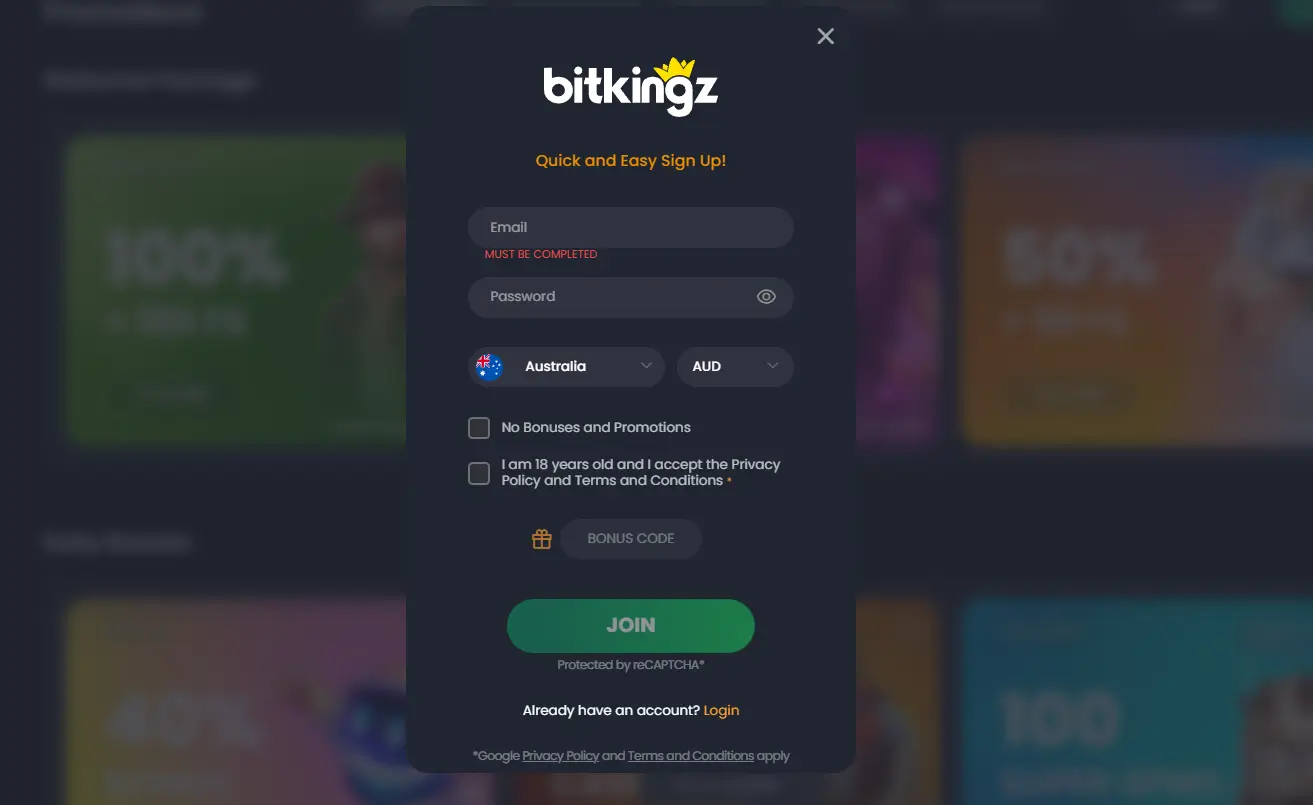
Account creation should be quick, but clean. Suppose you are in Perth, half watching a match, and you rush the form. Autocorrect changes your address line. Two days later, you need to verify and you notice the mismatch. Now you’re retyping instead of playing.
Use an email you control and a phone number that stays with you. Enter your name exactly as your documents show it. Keep the same formatting every time. Consistency reduces reviews later.
Then set limits before your first deposit. Deposit caps and time reminders are the simplest tools for keeping play in the entertainment lane. If a cooling-off option exists and you know you chase, use it. A forced break can save your sleep.
Verification is worth doing early. Daylight, steady hands, no glare. Put the document on a dark background, capture all corners, and keep the text sharp. If a selfie is requested, keep it plain.
And if you plan to claim a welcome offer, read the finish line first. Playthrough requirements, maximum stake rules while conditions are active, and expiry windows matter. If you can’t complete comfortably, skip it and play with clean funds.
Registration Details That Keep Payouts Smooth
Suppose you move house and you update your address. Do it on a calm day, not right before a withdrawal. Same with phone numbers. If you change details and immediately request a payout, you invite extra checks.
Keep one payment method for a while too. Switching routes often creates more questions than it solves. Pick a method you trust, run a small test withdrawal, then settle into a routine.
Session Limits That Stop Chasing
Suppose you lose a few rounds and you feel the urge to double your stake. That urge is the moment limits are for. A deposit cap stops the spiral. A session reminder pulls you out of the trance.
If you hit your cap, stop. Stand up. Eat something. Come back later if you still feel calm. If you are angry, don’t come back tonight.